

Coronavirus disease 2019
COVID-19 is a contagious disease caused by the coronavirus SARS-CoV-2. In January 2020, the disease spread worldwide, resulting in the COVID-19 pandemic. The symptoms of COVID‑19 can vary but often include fever,[7] fatigue, cough, breathing difficulties, loss of smell, and loss of taste.[8][9][10] Symptoms may begin one to fourteen days after exposure to the virus. […]
Test post title
Test post content
What Is White Label Digital Marketing?
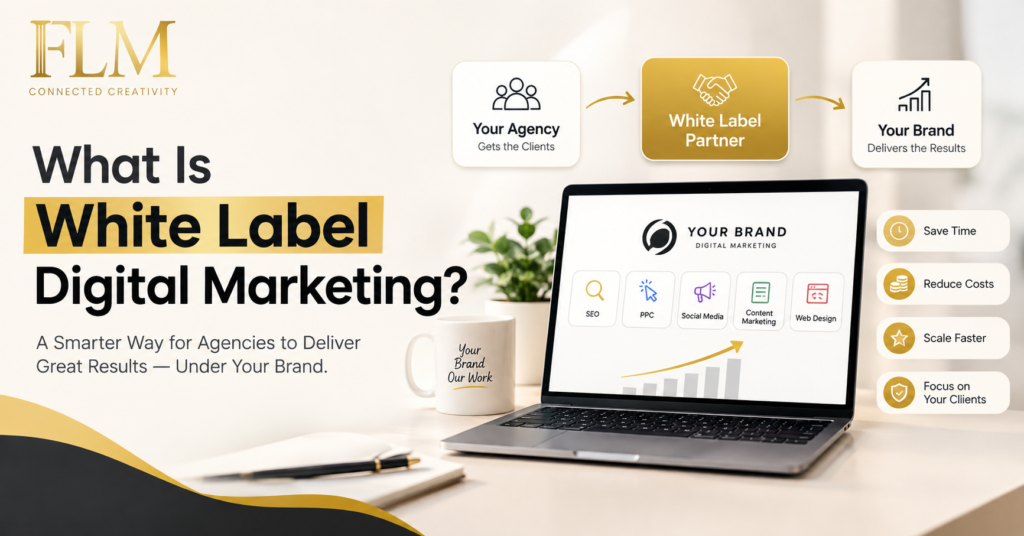
What is white label digital marketing? White label digital marketing is a business model in which one digital marketing agency provides services that another agency can sell to its own clients under its own brand name. Instead of building a large in-house team for SEO, PPC, content marketing, web design, social media, or lead generation, […]
White Label Lead Generation Funnel Strategy|Expert Guide
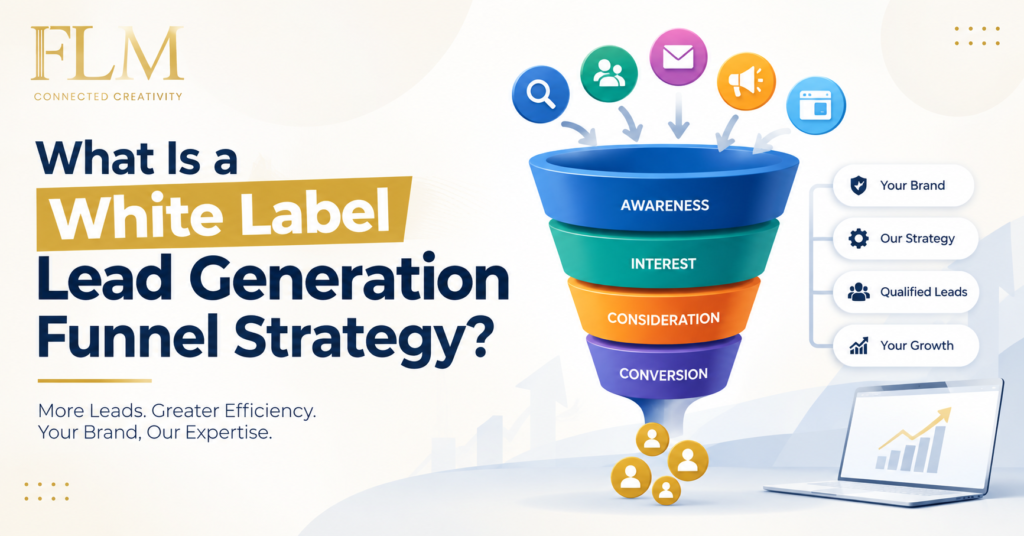
A successful lead generation campaign is not simply about generating a large number of leads. For agencies offering services to clients, the real challenge is building a repeatable white label lead generation funnel that attracts the right audience, captures their information, qualifies prospects, nurtures interest, and delivers sales-ready opportunities. This becomes especially important when an […]
How Agencies Can Manage Multiple Lead Generation Campaigns
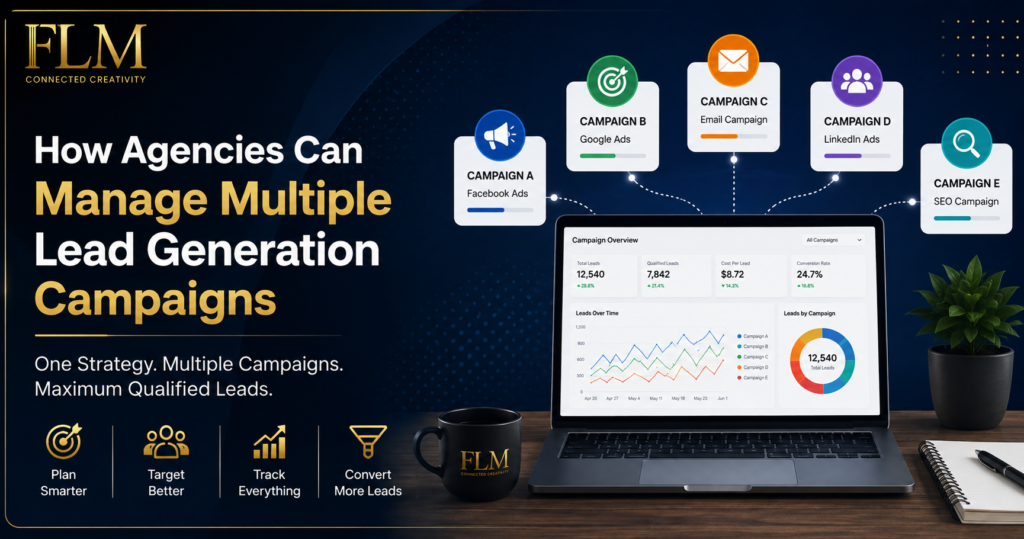
Managing one lead generation campaign is relatively straightforward. Managing multiple campaigns for different clients, industries, locations, budgets, and sales goals is a completely different challenge. For digital marketing agencies in India, the difficulty increases as the client portfolio grows. One client may need Google Ads for high-intent searches, another may depend on Meta lead campaigns, […]
White Label Lead Generation Campaign Optimization
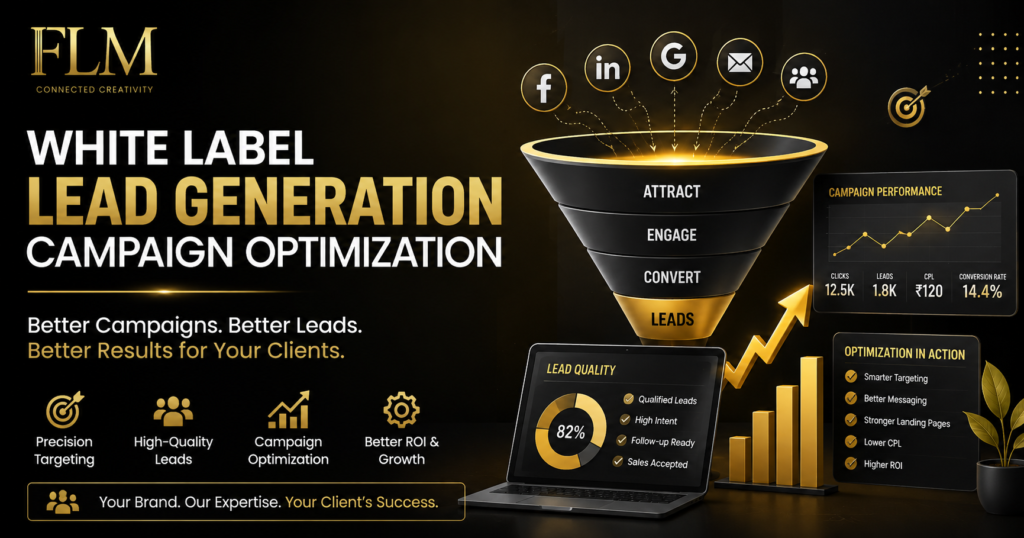
White Label Lead Generation Campaign Optimization : A digital marketing agency can be excellent at winning clients and still struggle to deliver consistent lead-generation results. The problem usually appears when several clients start asking for more enquiries from Google Ads, Meta Ads, landing pages, local campaigns, or other performance channels. Suddenly, the agency has to […]
How Agencies Can Scale Lead Generation Without Hiring
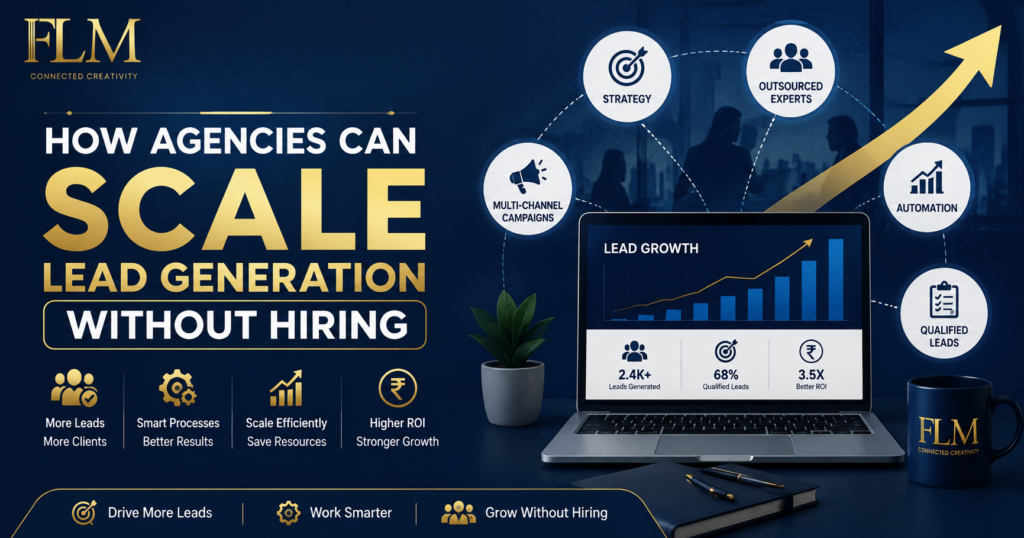
A digital marketing agency can reach an uncomfortable stage of growth: the sales team is capable of bringing in more clients, but the delivery team is already stretched. You may have clients asking for SEO leads, Google Ads enquiries, Meta Ads campaigns, landing pages, lead qualification, or complete lead-generation support. Turning down the opportunity means […]
White Label Lead Generation For Agencies In India
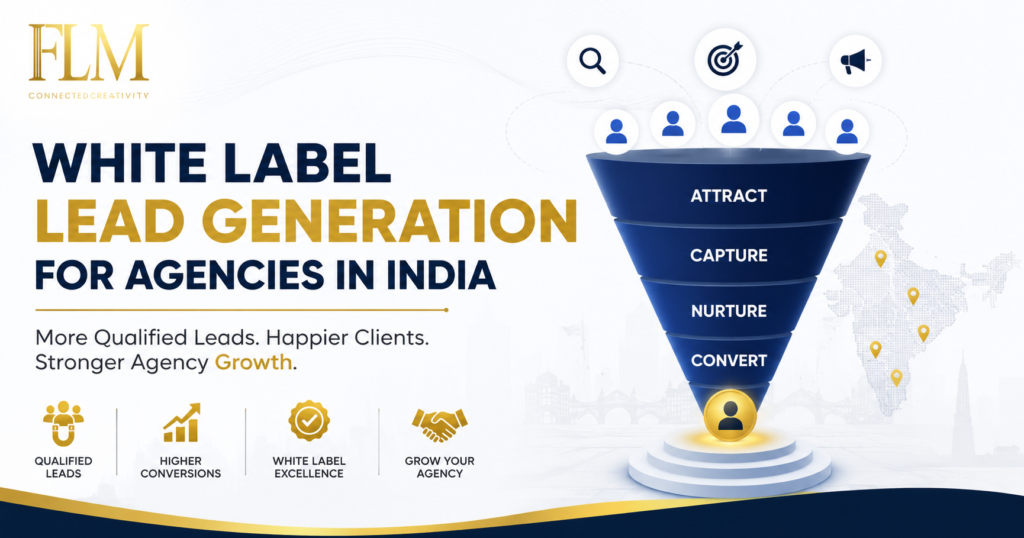
White Label Lead Generation For Agencies In India: Indian digital marketing agencies often reach a point where selling lead generation becomes easier than delivering it consistently. An agency may already have SEO, website design, social media or Google Ads clients asking for more enquiries. The sales team sees an opportunity, but the delivery side creates […]
White Label SEO Content Strategy for Indian Agencies
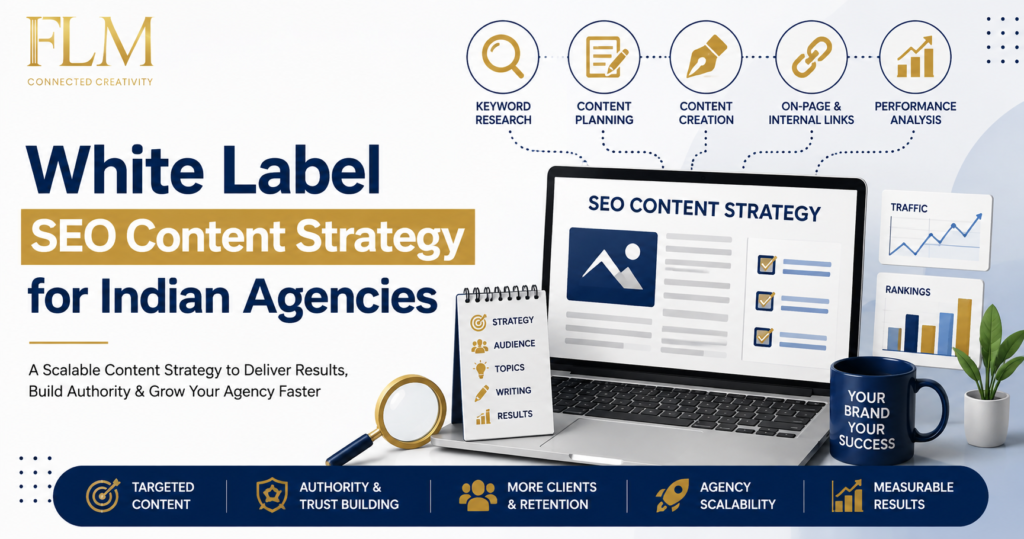
An agency can sell SEO to 10, 20, or even 50 clients and still struggle to deliver consistent content. The problem usually appears after the sales process works: content briefs pile up, writers need more direction, client industries become harder to manage, approvals take longer, and account managers start spending too much time fixing articles […]
White Label SEO Strategy Templates For Agencies: 7 Proven Examples
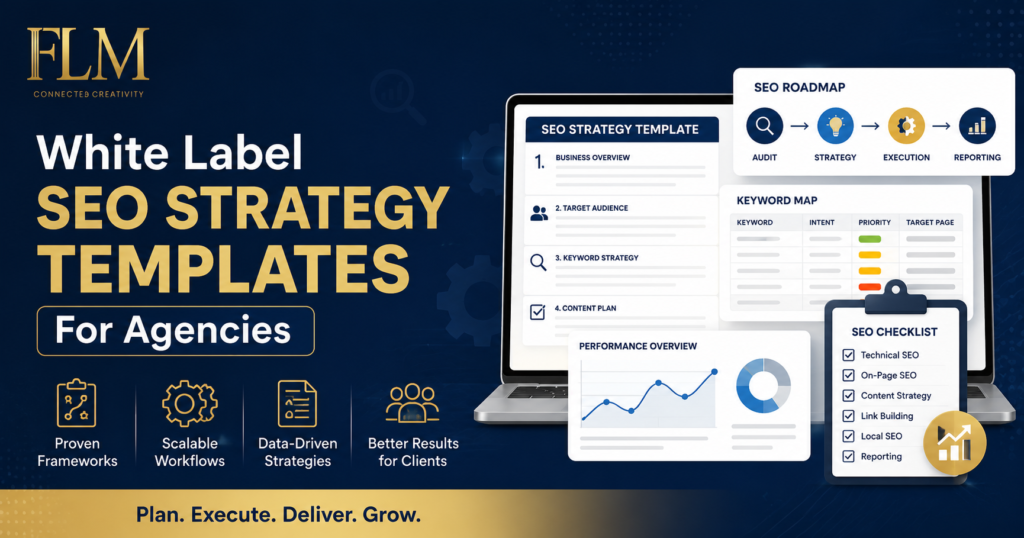
An agency can sell SEO confidently and still struggle once several clients need work at the same time. One client needs a technical audit. Another needs keyword mapping. A third needs local SEO. A fourth needs content briefs, internal linking and reporting. Meanwhile, the account manager is chasing approvals through WhatsApp, the SEO team is […]
White Label SEO Information Architecture: Boost Rankings & Growth
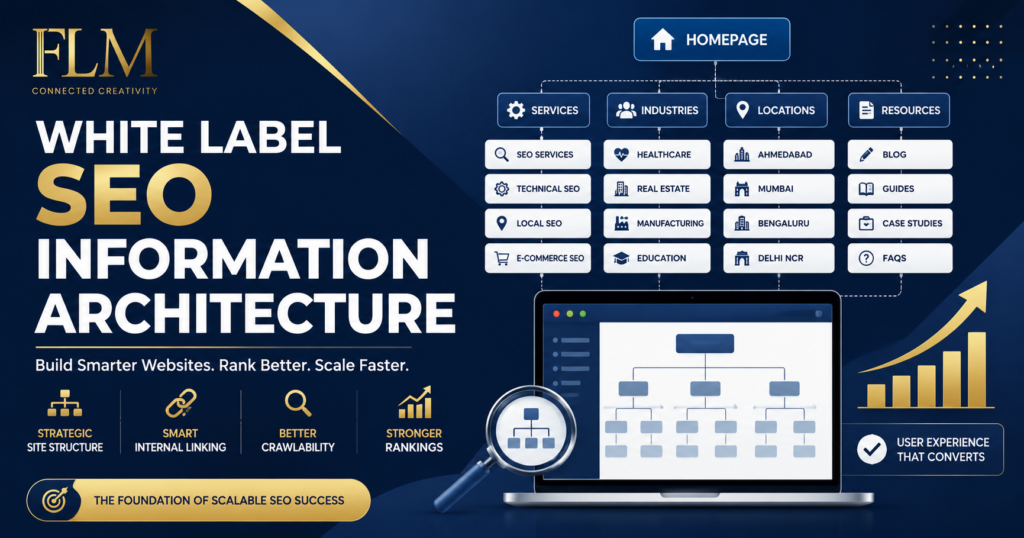
A white label SEO campaign can have excellent keyword research, regular content publishing, technical audits, and link building—and still feel disorganised. One common reason is the website’s information architecture. For example, an agency may receive a client in Ahmedabad with 30 services, several target locations, multiple customer segments, and dozens of keywords. If those keywords […]
White Label SEO AI Citation Strategy: A Practical Guide for Agencies
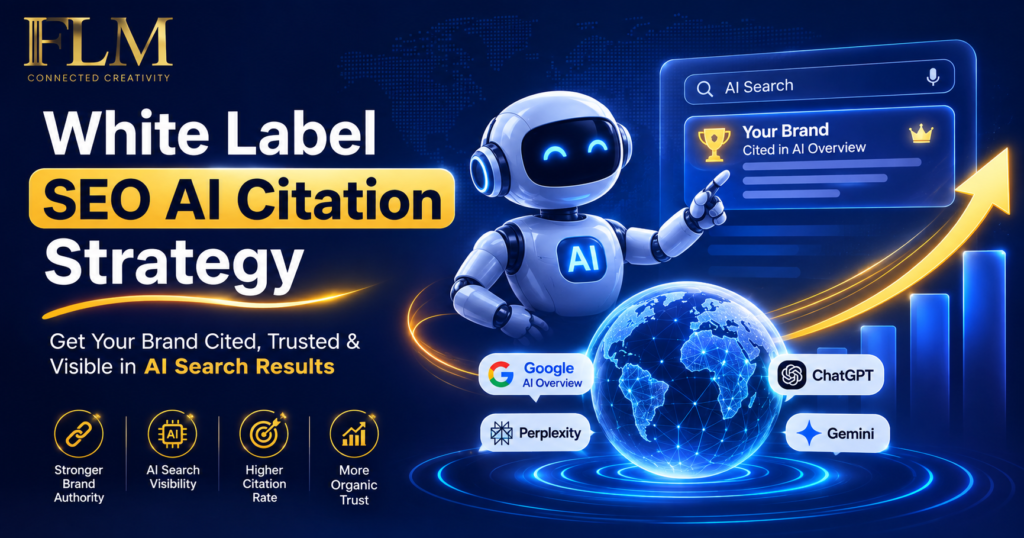
A digital marketing agency can rank a client’s website for valuable keywords and still face a new problem: the client may not be visible when potential customers ask AI-powered search tools for recommendations, comparisons, or solutions. This is where a White Label SEO AI Citation Strategy becomes relevant. For agencies, the goal is not simply […]
White Label Entity-Based SEO Strategy
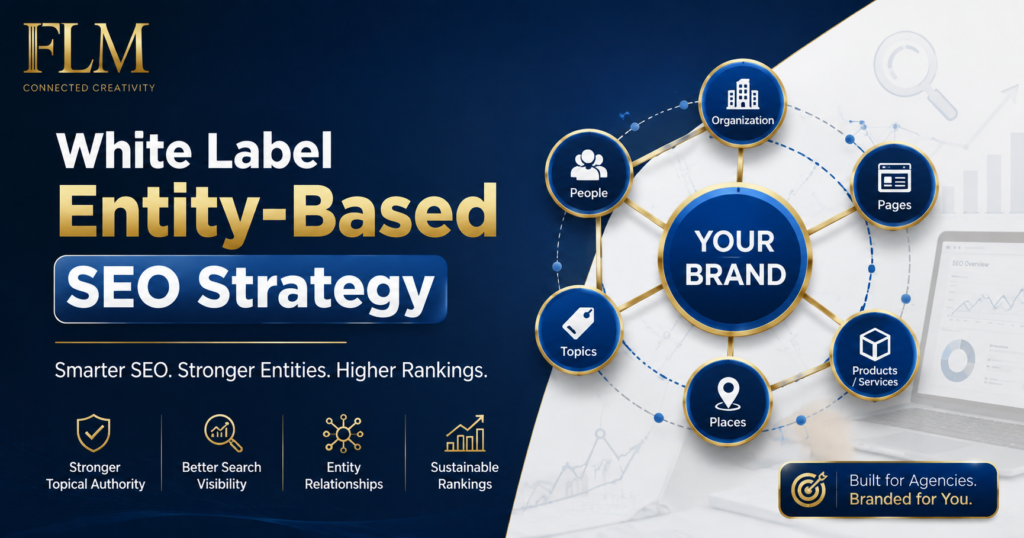
A digital marketing agency can publish dozens of articles, build backlinks, optimize pages, and still struggle to make a client’s website clearly understood by search engines. The problem is often not a lack of keywords. It is a lack of context. A search engine needs to understand what a business is, what it offers, who […]
White Label Ecommerce SEO Reporting
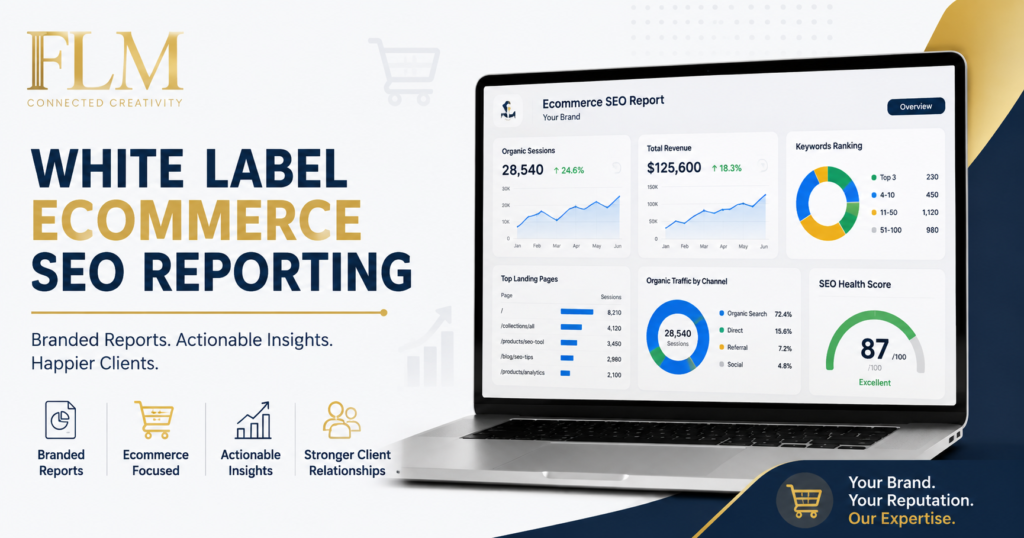
The SEO work may be progressing well, but someone still has to collect ranking data, review organic traffic, check product and category pages, interpret Search Console data, prepare charts, explain changes, and turn everything into a client-friendly report. The challenge becomes bigger when your agency manages ecommerce brands across different Indian cities, categories, budgets, and […]
How Agencies Can Outsource SEO Work
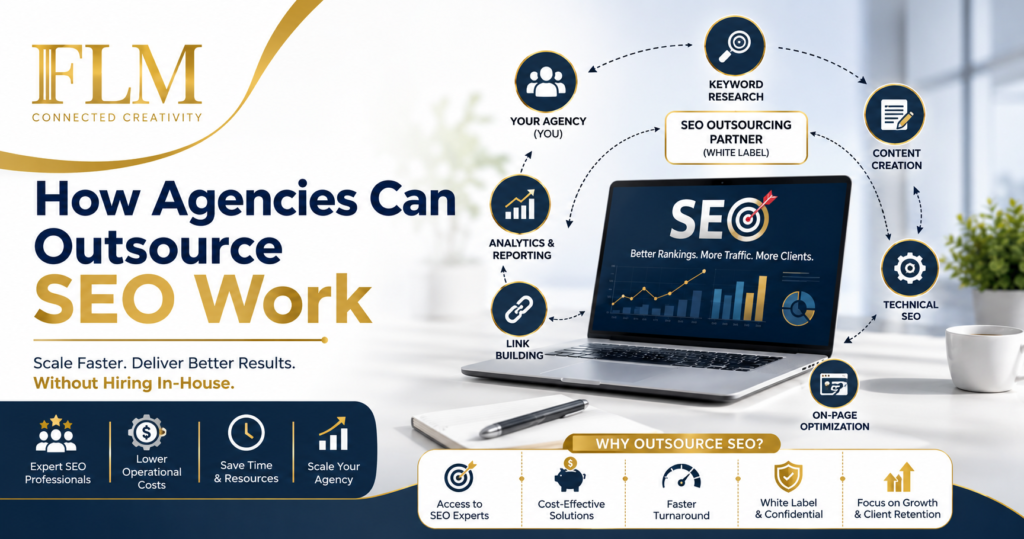
Running a digital marketing agency becomes difficult when client acquisition grows faster than delivery capacity. You may be comfortable selling SEO, Google Ads, social media, web development, or branding—but delivering every SEO task internally can quickly consume your team’s time. This is where SEO outsourcing for agencies becomes useful. Instead of hiring separate specialists for […]
White Label SEO Client Reporting Workflow
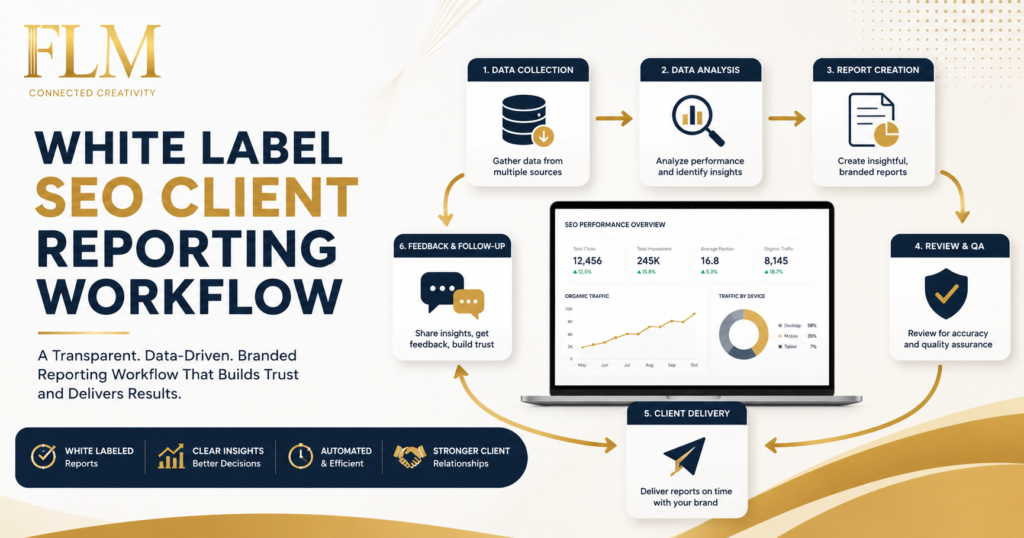
For many digital marketing agencies, winning an SEO client is easier than delivering a reporting experience that keeps the client confident month after month. The problem usually starts when reports become a collection of screenshots, ranking tables, traffic graphs and automated metrics with little explanation of what they mean for the business. A client may […]
White Label SEO Client Onboarding Checklist
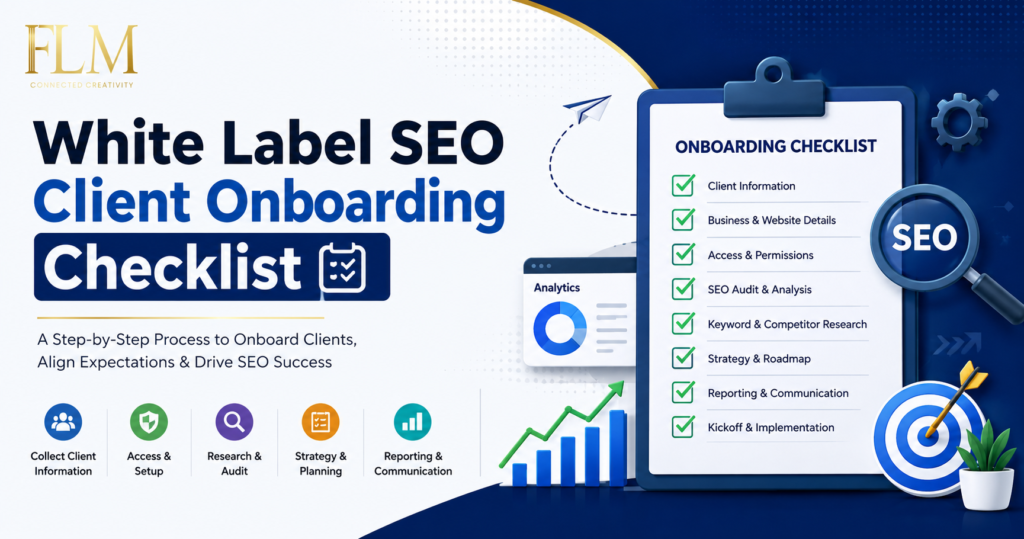
Winning an SEO client is only the beginning. The real test starts after the agreement is signed. An agency can have a strong sales process and still create problems later if the onboarding is incomplete. Missing website access, unclear goals, incorrect target locations, incomplete business information, or poorly defined reporting responsibilities can delay the SEO […]
How To Handle More SEO Clients Without Hiring

For a growing digital marketing agency, winning new SEO clients can eventually create a problem of its own. Sales may be bringing in more enquiries, but the delivery team is already managing keyword research, technical audits, content briefs, on-page optimisation, link building, reporting and client communication for existing accounts. Hiring another full-time SEO specialist every […]
SEO Outsourcing Services For Agencies In India: A Practical Guide

SEO Outsourcing Services For Agencies In India: An agency can be excellent at winning clients and still struggle to deliver SEO consistently. This happens often when a growing digital marketing agency starts taking on more SEO accounts than its internal team can comfortably manage. Keyword research gets rushed, technical issues remain unresolved, content approvals take […]
White Label SEO Pricing For Agencies India
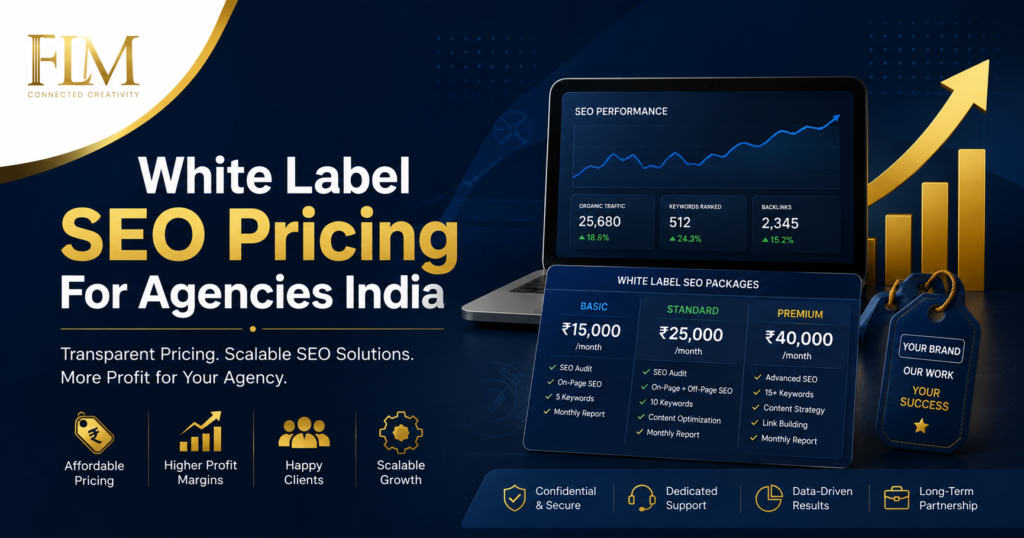
For digital marketing agencies in India, SEO can become difficult to scale when client acquisition grows faster than the internal delivery team. Hiring SEO specialists, content writers, link-building professionals, technical experts, and account managers can quickly increase operating costs. That is why many agencies explore white label SEO pricing for agencies in India before deciding […]
How White Label SEO Helps Agencies Scale
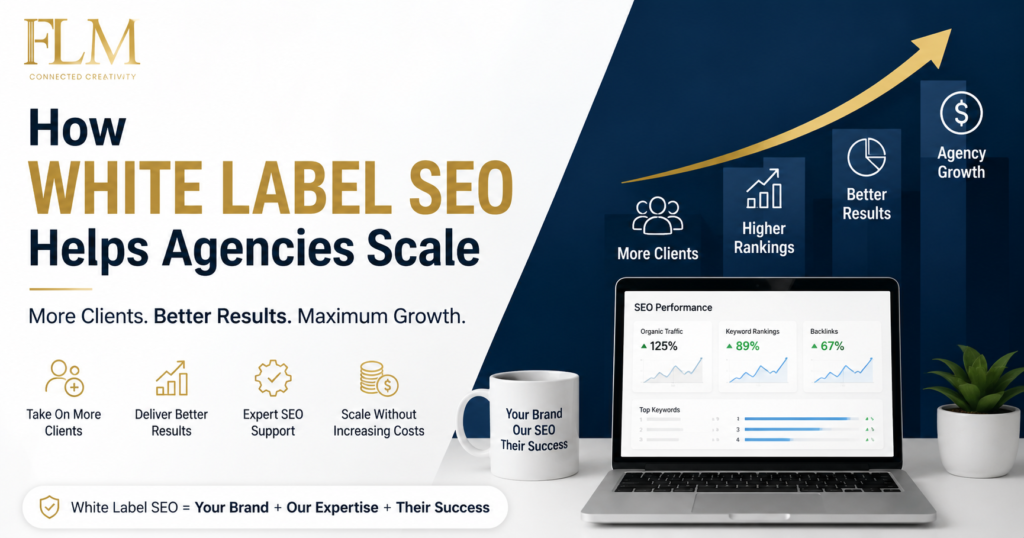
A digital agency can win more clients and still struggle to grow. The problem often appears when the sales pipeline starts working better than the delivery team. An agency may be capable of selling SEO, websites, social media, Google Ads, or branding services, but adding every new SEO client can create another set of keyword […]
White Label SEO Company For Agencies In India
A digital marketing agency can have a strong sales pipeline and still struggle to fulfil every SEO project profitably. A client may sign up for SEO, but suddenly the agency needs keyword research, technical audits, content briefs, on-page optimisation, backlink strategy, local SEO, reporting, competitor analysis and ongoing monitoring. Hiring experienced SEO specialists for every […]
White Label Digital Marketing Company In India
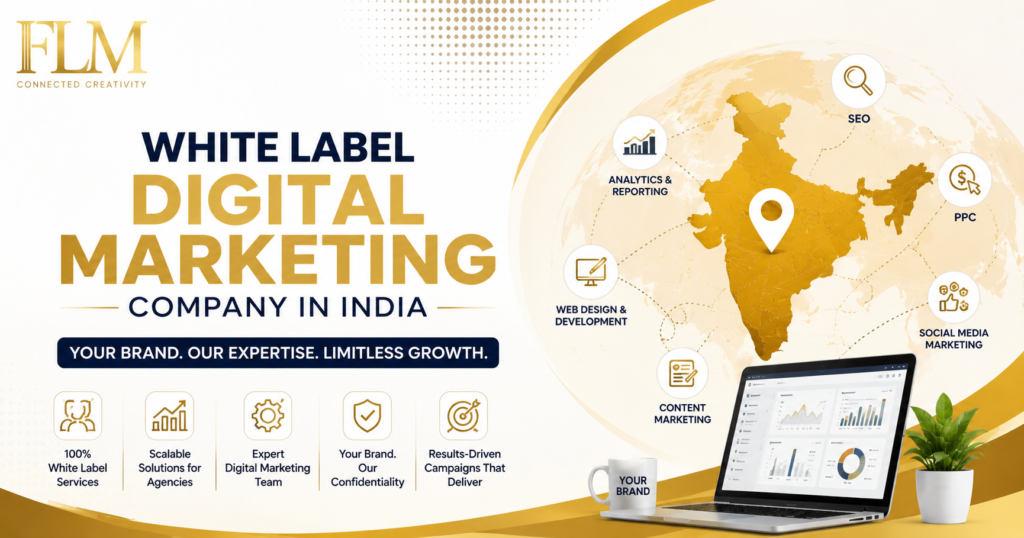
Many Indian marketing agencies reach a point where sales are growing faster than their delivery capacity. The agency may be good at branding, website development, or client acquisition, but suddenly clients also want SEO, Google Ads, social media, content, local SEO, and performance marketing. Hiring specialists for every service can increase workforce requirements, operational costs, […]
How Agencies Can Increase Capacity Without Hiring
For many digital marketing agencies, growth creates an unexpected problem: winning more clients can quickly create more work than the existing team can comfortably handle. A growing client list means more campaigns, reports, meetings, revisions, content, website updates, ad optimisation, SEO tasks, and deadlines. The obvious solution is to hire more staff. But hiring also […]
White Label Client Feedback Management: Boost Client Retention

A white label partnership can look successful from the outside while becoming difficult to manage behind the scenes. Campaigns may be delivered on time, reports may be prepared, and services may be technically correct—but if client feedback is scattered across WhatsApp messages, emails, calls, spreadsheets, and team chats, small issues can quickly become larger relationship […]
White Label Campaign Fulfillment Process: A Complete Step-by-Step Guide
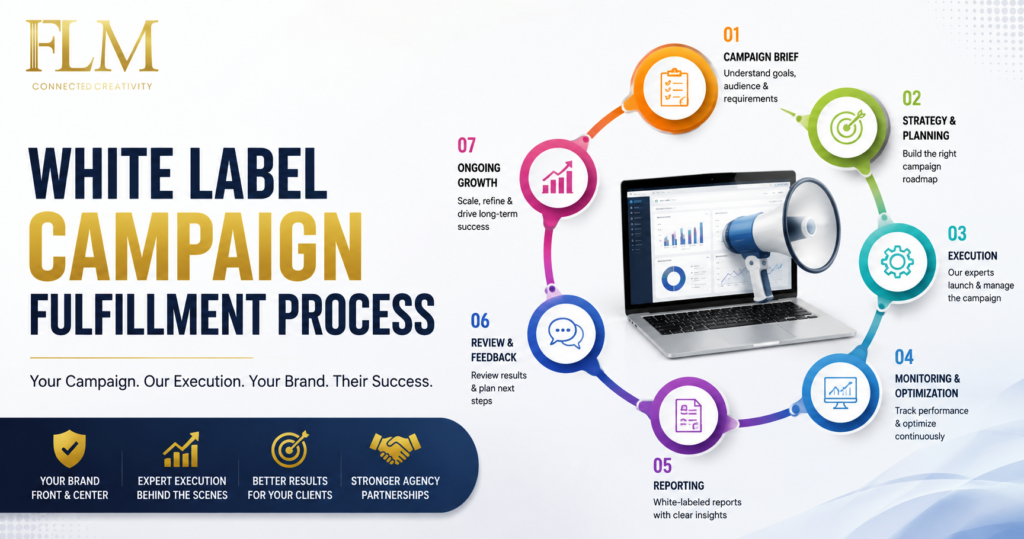
When a digital marketing agency wins more clients, the biggest challenge is not always sales. It is fulfillment. Your agency may have strong client relationships, an effective sales process, and a growing pipeline, but if campaigns are delayed, revisions keep increasing, reporting is inconsistent, or your internal team becomes overloaded, growth can quickly turn into […]
AI For White Label Digital Marketing Agencies
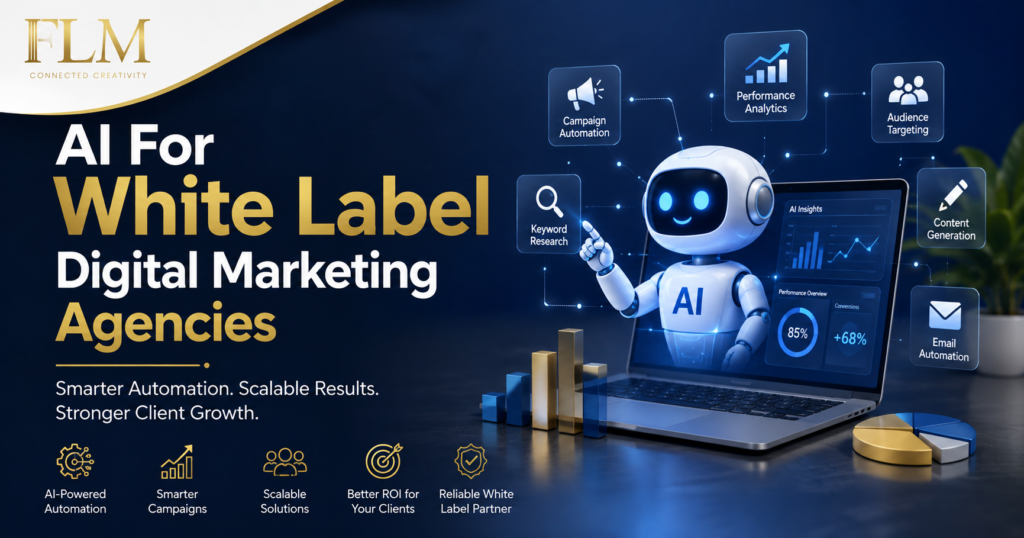
white label digital marketing agency can only grow as fast as its fulfillment process allows. When client numbers increase, repetitive tasks such as research, reporting, content planning, campaign monitoring, data processing, and communication can quickly consume valuable team time. This is where AI for White Label Digital Marketing Agencies becomes useful. Artificial intelligence is not […]
How To Start White Label Digital Marketing
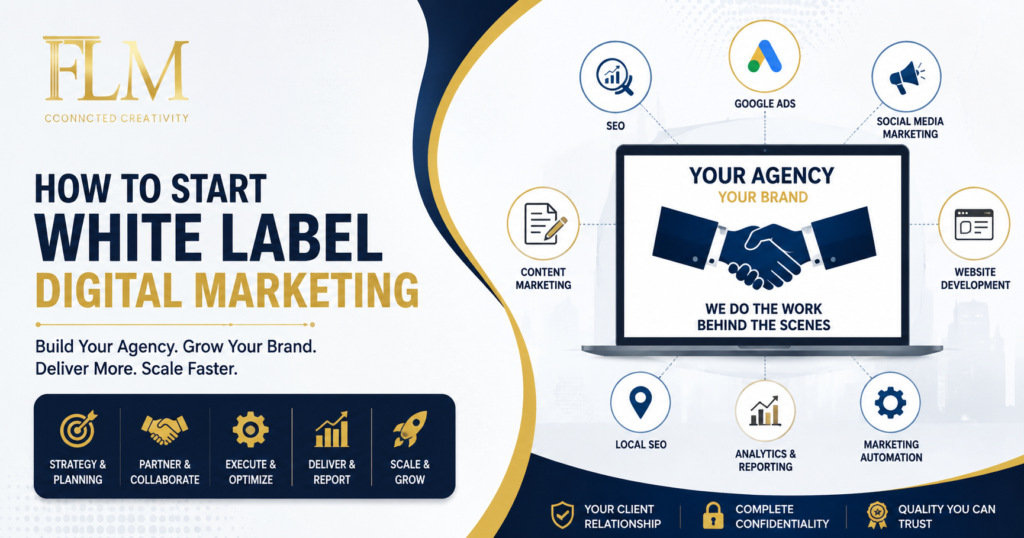
Many digital marketing agencies in India reach a point where they can generate new clients but struggle to deliver every service efficiently. An SEO project arrives while the team is busy with website development. A Google Ads campaign needs immediate attention, but experienced PPC specialists are unavailable. A client requests social media management, yet hiring […]
White Label Digital Marketing Pricing Guide
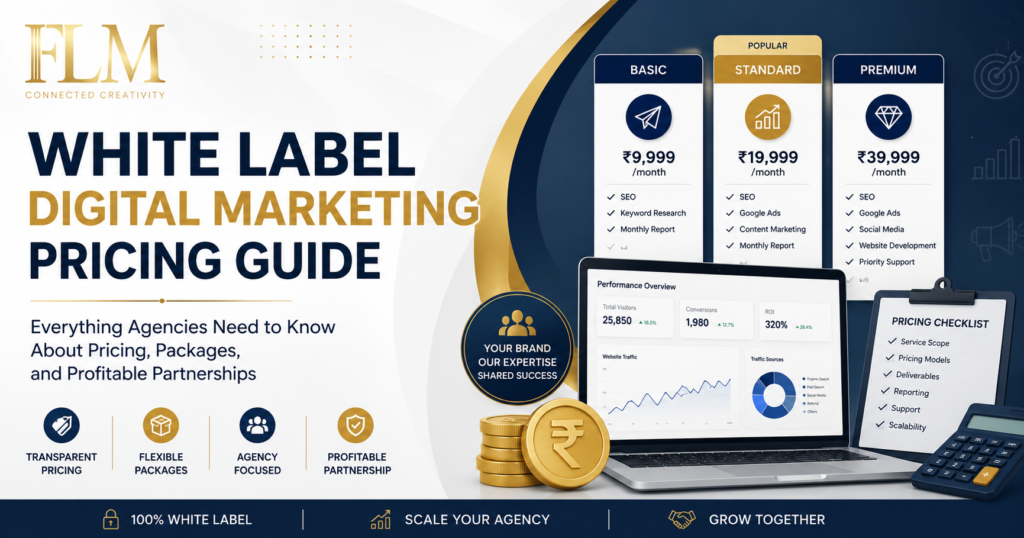
Many agencies reach a point where demand starts growing faster than their internal team can handle. New clients arrive, project deadlines become tighter, and hiring specialists for SEO, PPC, web development, content writing, and social media management begins to increase operational cost. While expanding the team may seem like the obvious solution, it often requires […]
White Label Digital Marketing Process: How It Works?
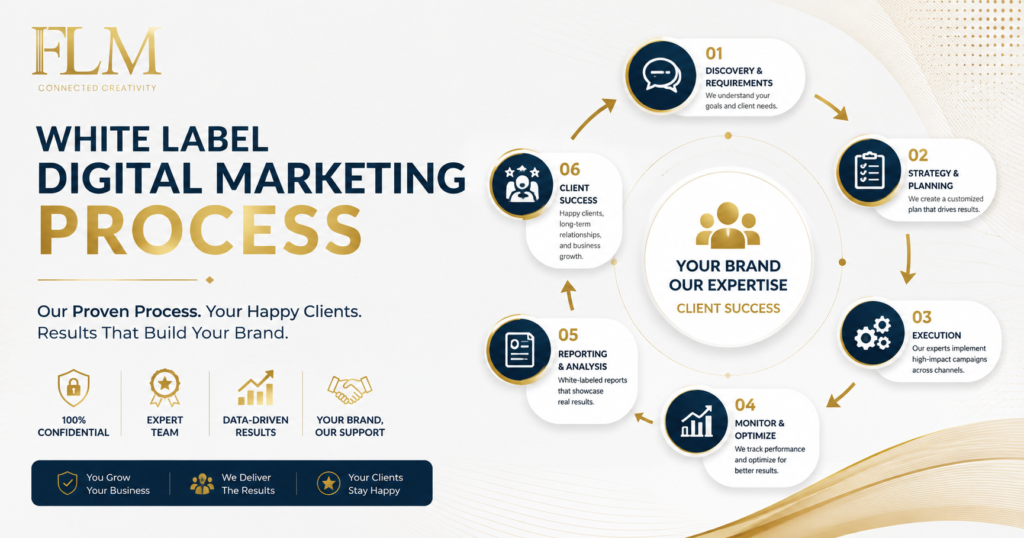
Winning new clients is only one part of growing a digital marketing agency. The real challenge begins after a project is signed. Many agencies struggle to manage increasing workloads, maintain consistent service quality, meet tight deadlines, and hire experienced professionals for every marketing discipline. As client expectations grow, these operational challenges can slow business growth […]
Best White Label Digital Marketing Company For Agencies

Best White Label Digital Marketing Company For Agencies Many digital agencies reach a stage where winning new clients is no longer the biggest challenge—delivering high-quality work consistently becomes the real test. As client expectations increase, agencies often struggle to manage multiple campaigns, maintain service quality, and meet deadlines without overextending their internal teams. Hiring specialists […]
7 Powerful Reasons Why Agencies Outsource Digital Marketing Services
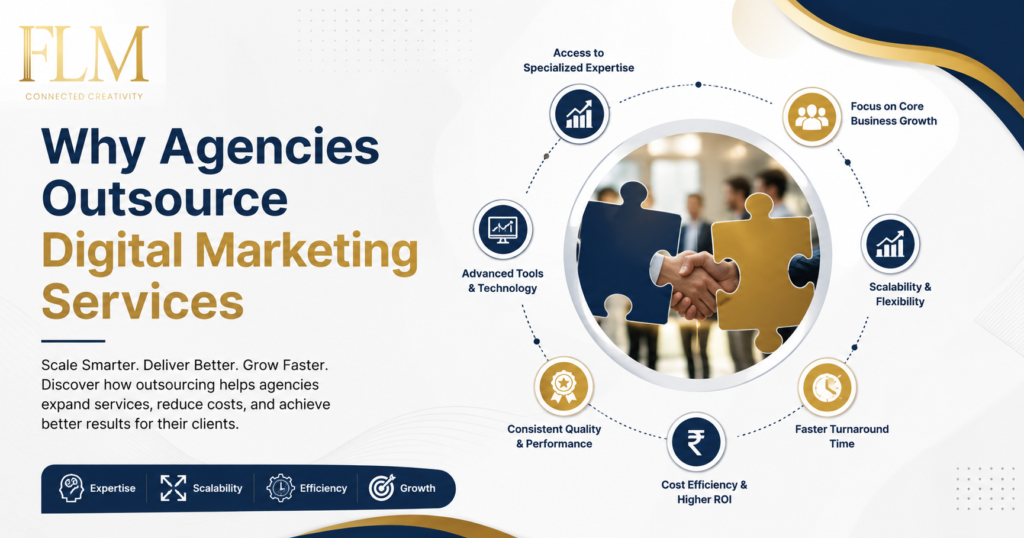
Many marketing agencies reach a stage where winning new clients is no longer their biggest challenge—delivering consistent, high-quality work on time becomes the real test. An agency may secure several new SEO projects in a month, but suddenly struggle to find experienced specialists. Another may have strong website development capabilities but receive frequent requests for […]
How To Choose The Right Digital Marketing Agency In India

A growing business often reaches a point where referrals alone are no longer enough. Website traffic may be increasing, but enquiries remain low. Advertising budgets may be rising without delivering quality leads. Social media accounts might be active, yet sales don’t reflect the effort. These are common situations for Indian businesses across industries—from startups and […]
How Web Design Agencies Can Offer SEO Services Without Building an In-House SEO Team
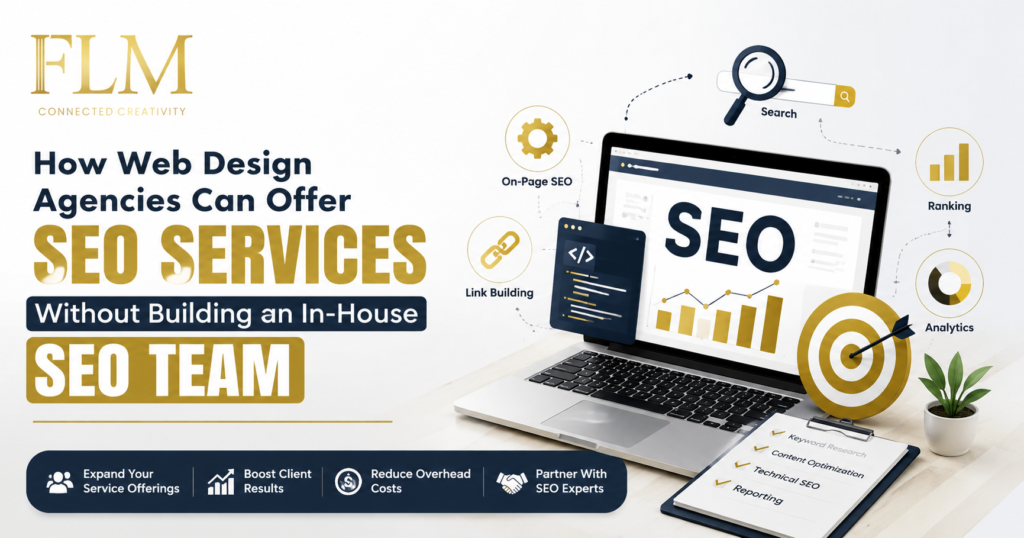
How Web Design Agencies Can Offer SEO Services Without Building an In-House SEO Team :Many web design agencies reach the same point in their growth journey. A client is delighted with a newly launched website, but within a few weeks asks a familiar question: “Can you also help us rank on Google?” For many agencies, […]
Benefits of a White Label Digital Marketing Outsourcing Company

Winning new clients is exciting. Delivering consistent results for every client is where many agencies begin to struggle. A web design agency lands five new SEO projects but has no SEO specialists. A branding agency promises Google Ads management but lacks certified PPC experts. A freelance consultant secures multiple social media clients but cannot manage […]
White Label Digital Marketing vs In-House Marketing: Which Is Better for Agencies?
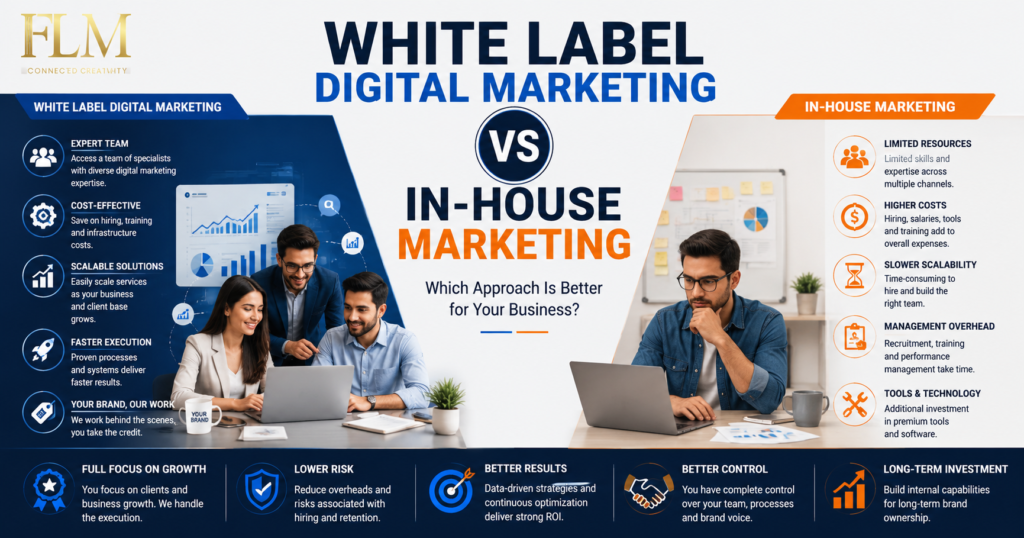
Many Indian businesses reach a point where marketing becomes too important to manage casually. A startup begins generating leads but struggles to maintain consistent campaigns. A manufacturing company wants more qualified B2B enquiries but lacks digital expertise. A healthcare clinic hires a marketing executive, only to discover that one person cannot handle SEO, paid advertising, […]
How Does White Label Digital Marketing Work?
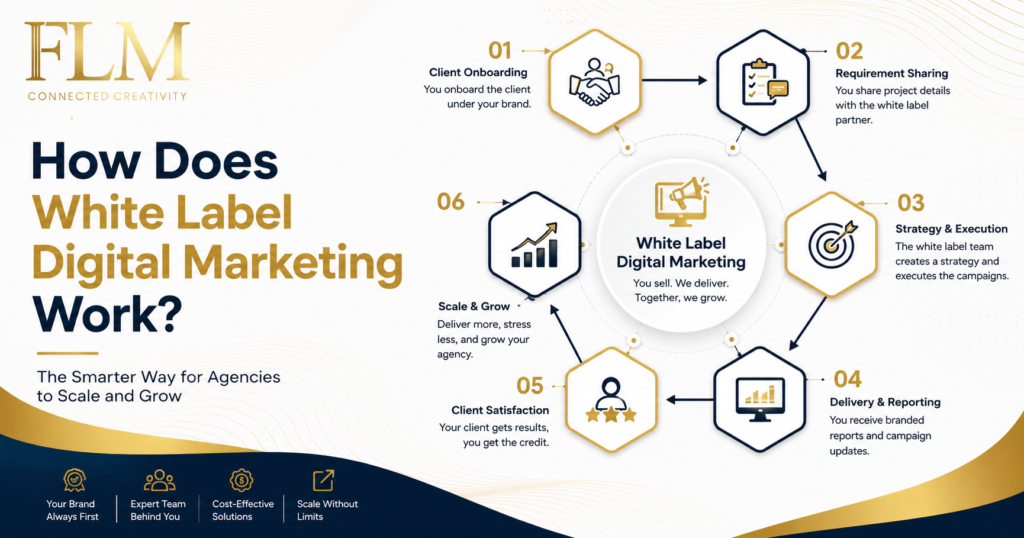
Imagine you’ve just landed three new clients in a single month. One wants SEO to improve organic rankings. Another needs Google Ads to generate leads quickly. The third expects social media management, content marketing, and monthly performance reports. Winning these clients feels like a major achievement—until you realize your small team doesn’t have the capacity […]
What Is a White Label Digital Marketing Agency? It Works How in India

A web design agency gets a request for SEO. An SEO consultant is asked to run Google Ads. A branding agency suddenly needs social media management. A freelance marketer lands a client who wants a complete digital marketing strategy, including content, PPC, website optimisation, email campaigns, and monthly reporting. For many agencies in India, this […]